


What to Do After a Serious Burn Injury in New York
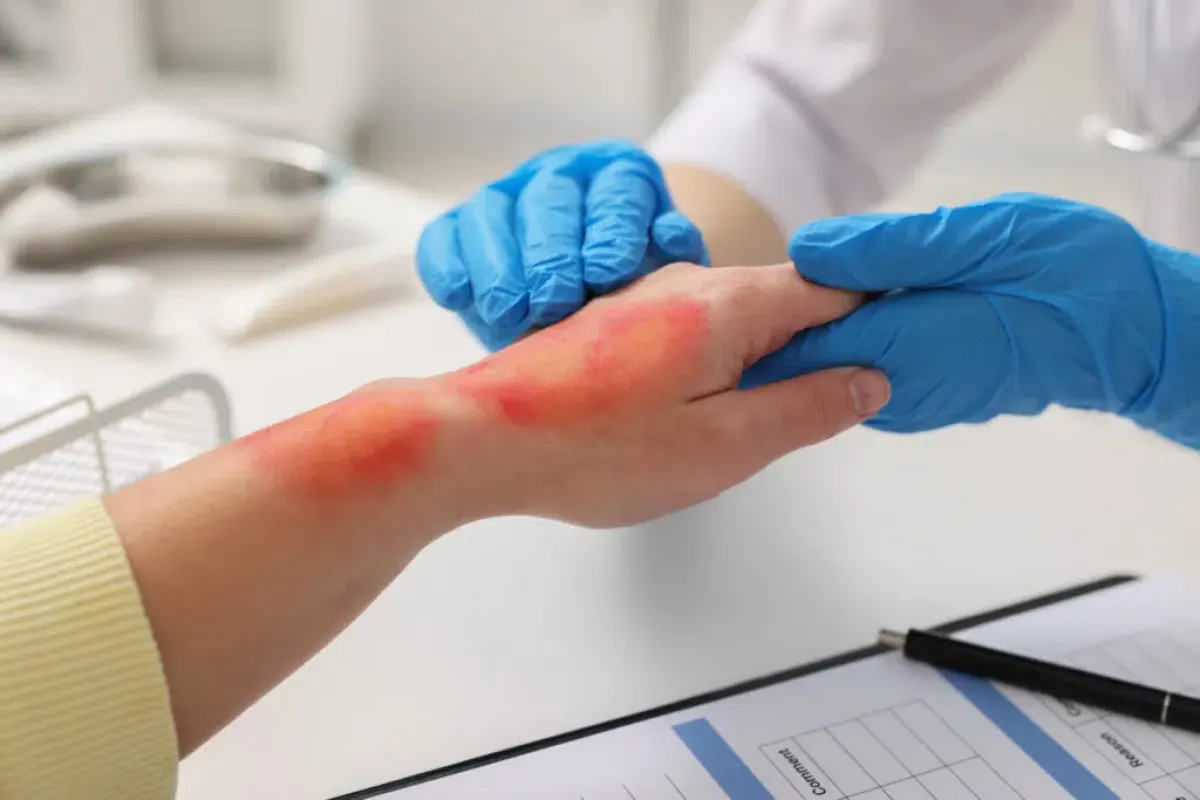
A serious burn injury can change a person’s life in seconds. Beyond the immediate pain, victims may face hospitalization, surgery, skin grafts, permanent scarring, nerve damage, limited mobility, emotional trauma, and months or years of medical treatment.
Serious burns can occur in apartment fires, workplaces, construction sites, restaurants,vehicle accidents, and other preventable incidents throughout Nassau County, Suffolk County, Queens, Brooklyn, and the greater New York City area. If you suffer a serious burn in New York, your first priority is safety: get away from the source of the burn, call 911 when emergency assistance is needed, and seek prompt medical care. Once the immediate danger has passed, report the incident, preserve evidence, document your injuries, and avoid accepting an insurance settlement before the full extent of your condition is known.
When another person or business may be responsible, a New York fire and burn injury lawyer can investigate what happened, identify all potentially liable parties, and protect your right to pursue compensation.
1. Get to Safety and Call for Emergency Help
Move away from flames, smoke, steam, hot surfaces, chemicals, electricity, or any other source of the burn if you can do so safely. Call 911 for a serious or life-threatening injury.
Never reenter a burning or structurally unsafe building. If electricity is involved, do not touch someone who may still be in contact with the electrical source. Electrical burns can cause significant internal injuries even when the damage to the skin appears limited.
Smoke inhalation is also a medical emergency. Trouble breathing, coughing, dizziness, confusion, chest pain, or soot around the mouth or nose may indicate injury to the lungs or airway.
2. Use Appropriate Burn First Aid
According to the American Burn Association’s burn first-aid guidance, a thermal burn should generally be cooled with cool running water, not ice. Remove rings, watches, jewelry, and tight items before swelling develops when they are not stuck to the skin. Cover the area loosely with a clean, dry cloth or sterile gauze.
Do not:
- Apply ice directly to the burn
- Use butter, oil, toothpaste, or other home remedies
- Break blisters
- Pull away clothing or material stuck to the skin
- Apply creams or ointments to a serious burn unless directed by a medical professional
Chemical and electrical burns require special care. For a chemical exposure, call 911 or Poison Control at 1-800-222-1222 for instructions specific to the substance involved.
This information is general and is not a substitute for emergency medical advice.
3. Seek Prompt Medical Treatment
Serious burns should be evaluated immediately. Emergency care is especially important when a burn:
- Appears deep or covers a large area
- Affects the face, hands, feet, genitals, or a major joint
- Was caused by electricity or chemicals
- Is accompanied by breathing problems or possible smoke inhalation
- Causes white, charred, leathery, or numb skin
Some burn injuries become more severe over time. Prompt medical care protects your health and creates a record connecting the injury to the incident.
Follow all treatment recommendations and attend appointments with burn specialists, surgeons, therapists, and other medical providers. Consistent treatment helps document the full extent of the injury, the recovery process, and any permanent limitations.
4. Report the Incident
Report the accident to the appropriate person or agency as soon as possible. Depending on where it occurred, this may mean notifying:
- The fire department or police
- A landlord or property manager
- An employer or construction-site supervisor
- A store, restaurant, hotel, school, or other business
- A nursing home or care facility
Ask for a copy of any fire, police, workplace, or incident report. Keep your description accurate and factual. Do not speculate about fault, minimize your injuries, or sign a release.
5. Preserve Evidence Before It Disappears
Burn injury cases often depend on evidence that can be repaired, removed, discarded, or destroyed within days. If you can do so safely, photograph or record:
- The accident scene
- The source of the heat, fire, chemical, steam, or electricity
- Defective appliances, batteries, tools, or equipment
- Unsafe wiring, missing alarms, or blocked exits
- Warning labels or the absence of warnings
- Damaged clothing and personal property
- Your injuries throughout the healing process
Do not discard or alter any product that may have caused the burn. Preserve receipts, packaging, manuals, repair records, emails, text messages, earlier complaints, and available video.
If an insurer, manufacturer, property owner, or other party asks to take possession of a key item, speak with an attorney first. Important physical evidence may need to be secured and inspected under a controlled process.
6. Identify Witnesses
Collect the names and contact information of anyone who witnessed the incident, saw the dangerous condition, heard earlier complaints, or responded afterward.
Witnesses may include neighbors, coworkers, customers, building employees, maintenance workers, or first responders. Their accounts may help establish how the burn occurred and whether a responsible party knew or should have known about the hazard.
7. Document the Full Effect of the Injury
Keep copies of medical records, bills, prescription receipts, insurance statements, and proof of missed work. Save records of transportation, home care, medical equipment, and other expenses related to the injury.
A brief daily journal may also help document:
- Pain and physical limitations
- Sleep disruption
- Anxiety or emotional distress
- Difficulty working or completing ordinary tasks
- Missed family and social activities
- The effect of scarring or disfigurement
Photograph the injury at different stages. Burns, graft sites, scarring, swelling, and range-of-motion limitations can change substantially during treatment.
8. Be Careful When Dealing With Insurance Companies
An insurance adjuster may request a recorded statement, broad medical authorization, or quick settlement. Before agreeing, understand who the adjuster represents and how the information may be used.
A serious burn claim should not be resolved before the long-term medical outlook is reasonably clear. An early offer may not account for future surgery, scar revision, rehabilitation, psychological care, lost earning capacity, or permanent physical limitations.
Once a settlement release is signed, the claim is generally over—even if the injuries later become worse.
9. Speak With a New York Burn Injury Attorney Promptly
Serious burn cases can involve complex medical evidence, multiple defendants, and technical questions about fire origin, electrical systems, dangerous products, building safety, or workplace practices.
An attorney can move quickly to:
- Preserve the accident scene and physical evidence
- Obtain fire, inspection, maintenance, and incident records
- Identify property owners, contractors, manufacturers, and insurers
- Determine which safety laws and filing deadlines apply
- Retain qualified medical and technical experts when needed
- Evaluate current and future damages
- Protect the injured person from unfair insurance tactics
The sooner the investigation begins, the greater the opportunity to preserve evidence before it disappears.
What Accidents Can Lead to a Burn Injury Claim?
Serious burns can occur in many circumstances, including:
- Apartment, house, hotel, and commercial-building fires
- Workplace and construction accidents
- Electrical shocks and arc-flash incidents
- Chemical spills and exposure
- Scalding water, steam, food, or beverages
- Defective appliances, heaters, batteries, or chargers
- Gas explosions
- Vehicle fires and collisions
- Restaurant and commercial-kitchen accidents
- Nursing-home, school, or daycare negligence
A legal claim may exist when another party caused or contributed to the injury through negligence, an unsafe property condition, a defective product, or a violation of an applicable safety requirement.
Who May Be Responsible for a Serious Burn Injury?
Depending on how and where the injury occurred, potentially responsible parties may include:
- Property owners and landlords
- Property management companies
- Employers, contractors, and subcontractors
- Product manufacturers, distributors, and retailers
- Electricians, plumbers, and maintenance companies
- Restaurants, hotels, and other businesses
- Drivers and vehicle owners
- Nursing homes, schools, and daycare providers
- Municipalities or public agencies
More than one party may share responsibility. A complete investigation should examine both what caused the incident and whether a separate safety failure allowed the fire to spread, delayed an escape, or made the injuries more severe.
What Compensation May Be Available?
Compensation in a New York burn injury claim may include:
- Emergency care and hospitalization
- Surgery, skin grafts, and reconstructive treatment
- Rehabilitation and future medical expenses
- Lost wages and reduced earning capacity
- Pain and suffering
- Permanent scarring and disfigurement
- Loss of mobility or physical function
- Emotional trauma and post-traumatic stress
- Home care and necessary accommodations
- Property damage
- Wrongful death damages when an injury is fatal
There is no meaningful “average” settlement for a serious burn injury. The value of a claim depends on the severity and location of the burns, the need for future treatment, the effect on work and daily life, available insurance coverage, and the strength of the liability evidence.
What if You Were Partly Responsible?
In many New York personal injury cases, partial fault does not automatically prevent recovery. Under CPLR § 1411, compensation is generally reduced according to the injured person’s share of responsibility, subject to an exception affecting certain motor-vehicle personal injury actions.
Insurance companies may argue that the injured person failed to recognize a warning or contributed to an unsafe condition. That allegation does not necessarily eliminate the claim. Fault must be evaluated based on the evidence and the law applicable to the particular accident.
How Long Do You Have to File a Burn Injury Lawsuit in New York?
Under CPLR § 214, many New York personal injury lawsuits must be commenced within three years. However, significantly shorter deadlines may apply.
For example:
- A tort claim against certain public entities may require a Notice of Claim within 90 days under General Municipal Law § 50-e.
- An action governed by General Municipal Law § 50-i generally must be commenced within one year and 90 days of the event, subject to the statute’s requirements.
- A wrongful death action generally must be commenced within two years after death under EPTL § 5-4.1.
Different rules may apply to workers’ compensation claims, medical malpractice, minors, defective products, and claims involving particular government authorities. Never assume you have three years. The correct deadline should be determined as soon as possible.
Frequently Asked Questions About Serious Burn Injuries
When is a burn considered serious?
A burn may be serious when it is deep or extensive; involves the face, hands, feet, genitals, or a major joint; results from electricity or chemicals; or is accompanied by breathing problems or signs of smoke inhalation. A medical professional should evaluate the injury.
Can I bring a claim for smoke inhalation without visible burns?
Yes. Smoke inhalation can cause serious lung, airway, or neurological injuries even when there are no external burns. Prompt medical care and documentation are important.
Should I preserve the product that caused my burn?
Yes, if it can be done safely. Do not repair, test, alter, or discard the product. An attorney can help arrange appropriate storage and inspection.
What if the burn happened at work?
You may have a workers’ compensation claim. A separate personal injury lawsuit may also be possible against a negligent party other than your employer. Each type of claim has distinct requirements and deadlines.
Can more than one party be liable?
Yes. A property owner, contractor, manufacturer, retailer, maintenance company, or another party may share responsibility depending on the cause of the incident and the conditions that made the injuries worse.
Where does The Bongiorno Law Firm handle burn injury cases?
The Bongiorno Law Firm represents clients in fire and burn injury matters throughout Long Island and New York City, including Nassau County, Suffolk County, Queens, Brooklyn, Manhattan, the Bronx, and Staten Island. The location of the incident may affect which courts, local requirements, and filing deadlines apply.
Speak With a New York Fire and Burn Injury Lawyer
The consequences of a serious burn can last a lifetime. While an injured person focuses on medical treatment and recovery, evidence can disappear and insurance companies can begin building their defenses.
The Bongiorno Law Firm represents individuals and families affected by serious fire and burn injuries throughout Nassau County, Suffolk County, Queens, Brooklyn, Manhattan, the Bronx, and Staten Island. We investigate how the incident occurred, identify all responsible parties, and build claims that account for both the immediate losses and the lasting effect of the injury.
If you or a loved one suffered a serious burn because of another party’s negligence, contact The Bongiorno Law Firm to discuss your legal options.
Legal Disclaimer
This article is provided for general informational purposes only and does not constitute legal or medical advice. Reading this article or contacting The Bongiorno Law Firm does not create an attorney-client relationship. Every case is different, and outcomes depend on the specific facts and applicable law. Laws and deadlines may change, and exceptions may apply. Prior results do not guarantee a similar outcome. Attorney Advertising.
